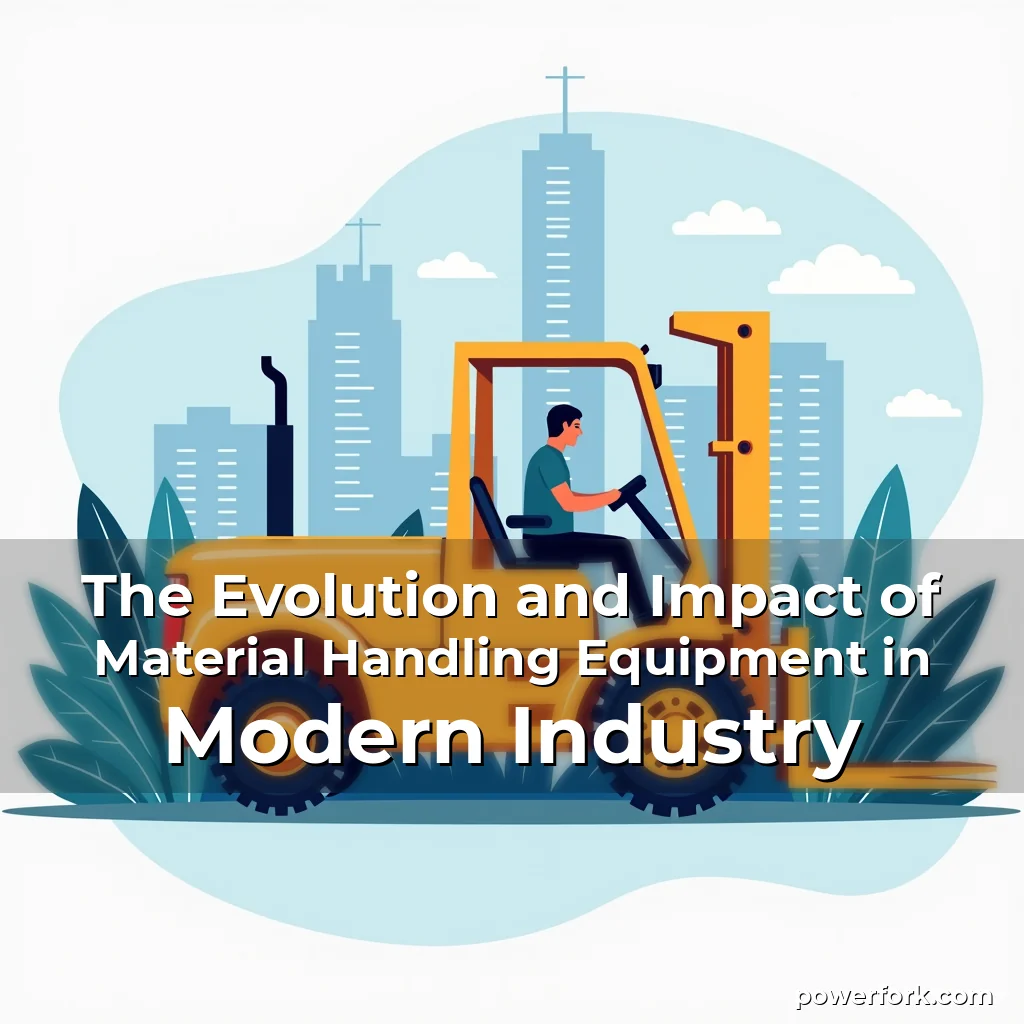
The Evolution and Impact of Material Handling Equipment in Modern Industry
In an era defined by rapid technological advancement and global supply chain complexities, material handling equipment has emerged as a cornerstone of industrial efficiency. From automated guided vehicles to high-capacity forklifts, these tools are redefining how goods are stored, transported, and managed across warehouses, manufacturing facilities, and distribution centers.
This article delves into the transformative role of modern material handling solutions, exploring their historical development, current applications, and future potential in optimizing logistics operations worldwide. Whether you’re managing a warehouse or overseeing plant operations, understanding these systems is crucial for maintaining competitive advantage in today’s fast-paced market environment.
Historical Foundations of Material Handling Innovation
The origins of material handling can be traced back to ancient civilizations that relied on rudimentary methods to transport heavy loads. Early humans used wooden sledges and pulley systems to move building materials and agricultural produce, laying the foundation for mechanical innovation.
During the Industrial Revolution in the late 18th century, manual labor was gradually replaced by steam-powered machinery. This period saw the introduction of basic conveyor belts and hand-operated cranes, significantly improving productivity in factories and docks where mass production became feasible.
- Rise of mechanization: The shift from human-driven to machine-assisted transportation marked a pivotal turning point in material movement capabilities.
- Demand for efficiency: As industries expanded, there was growing pressure to develop faster, safer, and more reliable ways to handle materials at scale.
The early 20th century witnessed further advancements with the invention of electric motors and internal combustion engines, enabling the creation of powered pallet jacks and forklift trucks. These innovations laid the groundwork for modern material handling equipment still in use today.
Modern Applications Across Diverse Industries
Todays material handling equipment spans numerous sectors including warehousing, e-commerce fulfillment, automotive manufacturing, pharmaceuticals, and retail logistics. Each industry leverages specialized equipment tailored to its unique operational needs and challenges.
Warehouses benefit immensely from advanced storage solutions such as automated storage and retrieval systems (AS/RS), which optimize vertical space utilization while minimizing picking errors through precise inventory tracking mechanisms.
Automation in E-Commerce Fulfillment Centers
E-commerce giants have revolutionized order processing using highly automated systems featuring robotic arms, autonomous mobile robots (AMRs), and AI-guided sorting technologies. Amazon’s Kiva robots exemplify how automation enhances speed and accuracy in massive fulfillment networks.
These systems reduce human intervention during repetitive tasks, allowing workers to focus on higher-value activities like quality control and customer service. By integrating real-time data analytics, companies achieve near-perfect stock visibility and predictive restocking capabilities.
Forklift Technology and Its Role in Warehouse Operations
As one of the most recognizable pieces of material handling equipment, forklifts remain indispensable in moving heavy cargo within warehouses and manufacturing sites. Their versatility allows them to operate both indoors and outdoors depending on the model configuration.
Electric forklifts offer advantages over traditional diesel models by producing zero emissions, reducing maintenance costs, and providing quieter operation suitable for indoor environments. Battery technology improvements have extended runtimes and charging speeds significantly in recent years.
LPG (liquefied petroleum gas) forklifts provide a balance between performance and cost-effectiveness, making them popular choices for medium-sized operations requiring moderate mobility without sacrificing fuel economy.
Safety Standards and Operational Best Practices
Ensuring workplace safety remains paramount when operating any type of material handling equipment. Proper training programs, regular maintenance schedules, and adherence to OSHA regulations help prevent accidents and injuries associated with improper usage or malfunctioning machines.
Implementing lockout/tagout procedures before performing repairs reduces risk exposure for technicians working on electrical or hydraulic components. Additionally, equipping operators with personal protective equipment (PPE) enhances overall safety protocols.
Preventive Maintenance Strategies
Regular inspection routines form the backbone of preventive maintenance strategies for material handling equipment. Checking tire pres
Maintaining digital records of service history enables proactive management of parts replacement cycles and warranty claims. Many manufacturers now offer cloud-based platforms for tracking maintenance intervals and scheduling technician visits remotely.
Emerging Trends Shaping Future Development
The integration of Internet of Things (IoT) devices into material handling equipment represents a significant trend transforming the industry landscape. Smart sensors embedded in forklifts and conveyors collect real-time data on load capacities, temperature fluctuations, and vibration patterns.
Data analytics derived from IoT-enabled systems allow facility managers to predict equipment failures before they occur, schedule maintenance optimally, and minimize unplanned downtime that impacts productivity metrics negatively.
Autonomous Mobile Robots (AMRs)
Unlike traditional Automated Guided Vehicles (AGVs), AMRs utilize advanced navigation algorithms combined with LIDAR and computer vision to adapt dynamically to changing environments. They excel at navigating unpredictable layouts commonly found in dynamic warehouse settings.
Companies deploying AMR fleets report increased throughput rates due to reduced travel times and improved route optimization software. These intelligent systems also contribute to workforce upskilling opportunities focused on supervising rather than manually operating equipment.
Environmental Considerations and Sustainability Initiatives
With increasing emphasis on environmental responsibility, many organizations are adopting eco-friendly alternatives in their material handling operations. Electric and hybrid equipment options now dominate new fleet acquisitions driven by regulatory pressures and corporate sustainability goals.
Recycling initiatives extend beyond vehicle disposal; some manufacturers recover precious metals from old batteries and repurpose them into new components, creating circular economies within the supply chain network.
Economic Implications and Return on Investment Analysis
Investing in modern material handling equipment requires careful financial evaluation considering upfront capital expenditures versus long-term operational savings. Factors influencing ROI calculations include energy consumption rates, maintenance expenses, and labor cost reductions achieved through automation.
Conducting thorough lifecycle analysis provides insight into total ownership costs over time. Some businesses opt for leasing arrangements instead of outright purchases to maintain flexibility while benefiting from latest technological upgrades periodically.
Training Programs and Operator Certification
Comprehensive training programs ensure operators understand safe practices related to different types of material handling equipment available in their facility. Certifications often require hands-on practice sessions alongside theoretical knowledge assessments covering emergency response scenarios.
Continuous education modules keep personnel updated on emerging technologies impacting daily operations. Virtual reality simulations enable trainees to experience various situations safely before handling actual machinery.
Future Outlook and Technological Innovations
Ongoing research focuses on developing lighter yet stronger composite materials that enhance durability without adding unnecessary weight burden on vehicles carrying heavy payloads. Advances in artificial intelligence promise even greater autonomy levels for next-generation material handling solutions.
Cross-industry collaboration between robotics developers, logistics experts, and environmental scientists will likely lead to breakthroughs addressing current limitations regarding energy efficiency and system interoperability among diverse equipment brands.
Conclusion
Material handling equipment continues to evolve rapidly, shaping the way goods are moved, stored, and distributed globally. From simple lifting devices to complex automated systems, these innovations underpin modern supply chains ensuring efficient resource allocation and timely delivery of products.
By staying informed about technological advances and best practices in safety and sustainability, professionals involved in logistics management can position themselves at the forefront of this ever-changing field. Embracing smart solutions today prepares organizations for tomorrow’s evolving demands in an increasingly interconnected world.