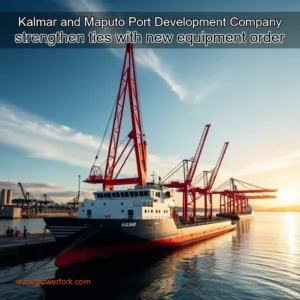
In this article, we will delve into the world of heavy machinery, exploring its significance, types, and applications across different industries.
Types of Heavy Machinery
Heavy machinery encompasses a wide range of equipment, each designed to tackle specific tasks and challenges. Some of the most common types of heavy machinery include:
Applications Across Industries
Heavy machinery is not limited to a single industry; its applications are diverse and widespread. Here are some examples:
Bulldozers are designed for pushing and moving large amounts of soil and debris. Loaders are used for loading and unloading materials, such as sand, gravel, and other construction materials.
Types of Earthmoving Machinery
Excavators
Excavators are a crucial component of earthmoving machinery, used for digging and excavating various types of materials. They are equipped with a bucket attached to a long arm, which allows them to dig deep trenches and foundations. Excavators can be further classified into two main types: hydraulic excavators and mechanical excavators.
Hydraulic Excavators
Hydraulic excavators use hydraulic fluid to operate the boom, stick, and bucket. They are more versatile and can be used for a wide range of applications, including construction, mining, and demolition. Hydraulic excavators are also more environmentally friendly, as they produce less noise and vibration compared to mechanical excavators.
Mechanical Excavators
Mechanical excavators, on the other hand, use a combination of gears and levers to operate the boom, stick, and bucket. They are less expensive to purchase and maintain, but are less versatile and less environmentally friendly.
The construction process involves several stages, including planning, excavation, and construction.
Planning and Preparation
The construction process begins with planning and preparation.
These advancements have significantly improved efficiency and reduced environmental impact.
The Evolution of Heavy Machinery in Mining
Automation and Telematics
The mining industry has witnessed a significant transformation in recent years, driven by the integration of automation and telematics in heavy machinery.
The Rise of Autonomous Machines
The world of heavy machinery is undergoing a significant transformation, driven by technological advancements and environmental concerns. Autonomous machines, capable of operating with minimal human intervention, are becoming increasingly prevalent in various industries.
In this article, we will explore the importance of proper maintenance and safety practices for heavy machinery.
The Importance of Regular Inspections
Regular inspections are a crucial aspect of maintaining heavy machinery. These inspections help identify potential issues before they become major problems, allowing for prompt repairs and minimizing downtime. Some key aspects to inspect during regular maintenance include:
The Role of Servicing
Servicing is another critical aspect of maintaining heavy machinery. Servicing involves performing routine tasks to keep the machine in good working condition. Some key aspects of servicing include:
The Challenges Facing the Heavy Machinery Industry
The heavy machinery industry is facing numerous challenges that are affecting its growth and operations. One of the primary concerns is the high initial cost of purchasing and maintaining equipment. This can be a significant barrier for small and medium-sized enterprises (SMEs), as they often lack the financial resources to invest in expensive machinery.
High Initial Costs
Leasing and Rental Options
In response to the high initial costs, leasing and rental options have become increasingly popular solutions for the heavy machinery industry. These options allow businesses to access the equipment they need without having to purchase it outright.
Benefits of Leasing and Rental
Industry faces shortage of skilled operators and technicians, threatening productivity and sustainability.
Here are some key points to consider:
The Impact of a Shortage of Skilled Operators and Technicians
The heavy machinery industry is facing a significant shortage of skilled operators and technicians. This shortage is not only affecting the industry’s productivity but also its sustainability. The lack of skilled workers is leading to increased costs, reduced efficiency, and decreased competitiveness. The shortage of skilled operators and technicians is attributed to various factors, including:
- Aging workforce: Many experienced operators and technicians are nearing retirement age, leading to a lack of qualified replacements. Limited training programs: The industry’s training programs are often inadequate, leaving many workers without the necessary skills to operate and maintain complex machinery. High turnover rates: The industry experiences high turnover rates, with many workers leaving their jobs to pursue other opportunities. ## The Role of Emerging Technologies
- Automate tasks: Robots and AI systems are being used to automate tasks such as maintenance, inspection, and repair.
The Rise of Smart Technologies in Industry
The integration of smart technologies, such as IoT and data analytics, is revolutionizing the way industries operate. These advancements are not only improving efficiency and reducing costs but also enhancing safety across various sectors.
The Benefits of Smart Technologies
- Predictive Maintenance: Smart technologies enable predictive maintenance, allowing industries to identify potential issues before they become major problems. This proactive approach reduces downtime, minimizes the risk of accidents, and saves resources. Real-time Performance Optimization: Smart technologies provide real-time performance optimization, enabling industries to make data-driven decisions and adjust their operations accordingly. This leads to improved productivity, reduced waste, and enhanced customer satisfaction.
- Predictive Maintenance: Smart technologies enable predictive maintenance, allowing industries to identify potential issues before they become major problems. This proactive approach reduces downtime, minimizes the risk of accidents, and saves resources. Real-time Performance Optimization: Smart technologies provide real-time performance optimization, enabling industries to make data-driven decisions and adjust their operations accordingly. This leads to improved productivity, reduced waste, and enhanced customer satisfaction.
The Role of Emerging Technologies
Emerging technologies, such as robotics and artificial intelligence, are expected to redefine the capabilities of heavy equipment. These technologies are being developed to improve efficiency, reduce costs, and enhance sustainability. Robotics and artificial intelligence are being used to: